 blog
Affordable Boat Parking: Storage Options & Security
Table of Contents
- Types of Boat Parking and Storage Options
- Outdoor Boat Storage Cost: What to Expect
- How to Prepare Your Boat for Outdoor Storage
- Boat Storage Security Features That Matter
- Finding Secure Storage Facilities Near You
- Contract Terms and Insurance Requirements
- Frequently Asked Questions
Last Updated: October 2, 2026
Types of Boat Parking and Storage Options
Choosing the right boat parking storage solution depends on your budget, climate, and how often you access your vessel. Different storage methods offer varying levels of protection and convenience. Understanding your options helps you make an informed decision that balances cost with security.
Outdoor Uncovered Parking
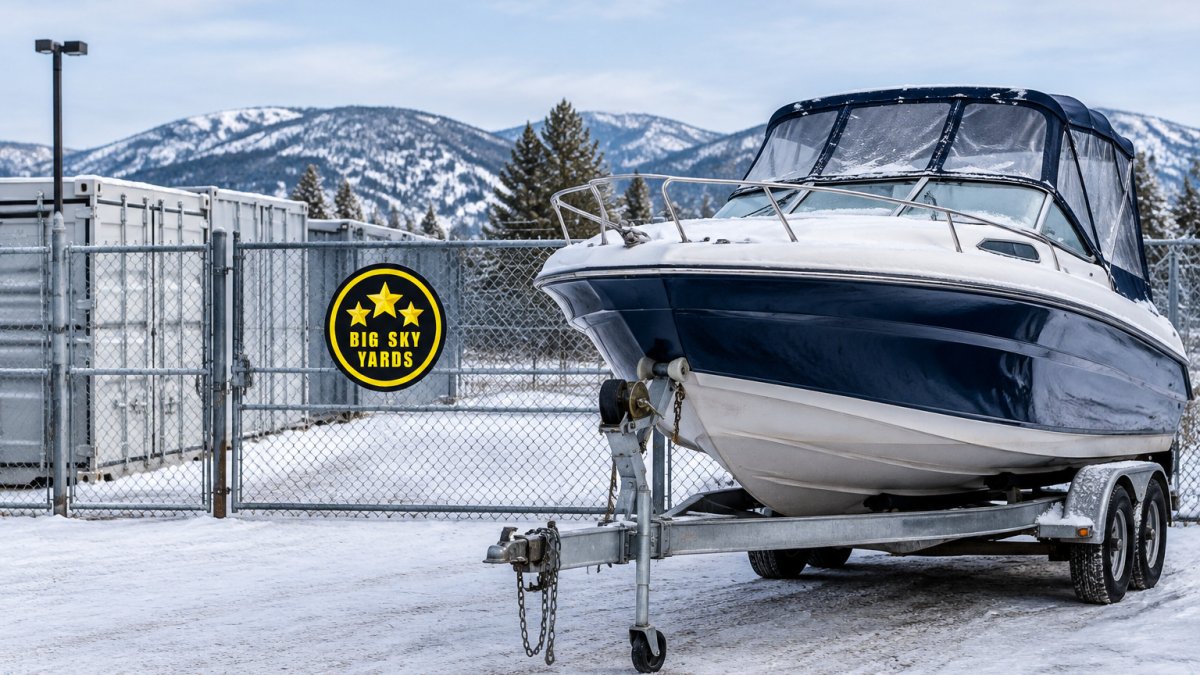
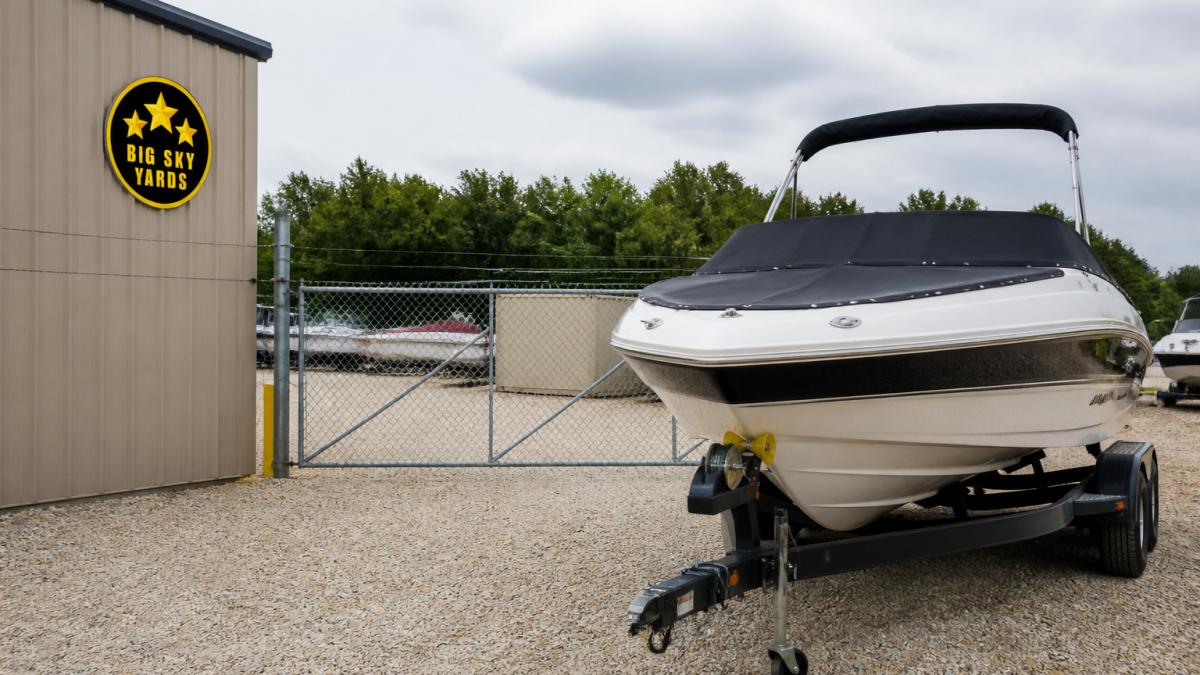
Outdoor uncovered parking is the most affordable boat parking option available. Your boat sits in an open lot with minimal protection from weather and sun exposure. This works best for boaters who don't mind regular maintenance and accept some wear over time.
Uncovered spaces typically come with basic security features like gated access and occasional patrols. You maintain full access to your boat whenever you need it. The trade-off is clear: your vessel faces direct exposure to UV rays, rain, snow, and temperature fluctuations. Paint fading, oxidation, and water damage accelerate without cover.
Many seasonal boaters choose this boat parking storage option for short-term needs when budget is the primary concern. If you winterize properly and accept cosmetic aging, uncovered parking works. Just understand that outdoor boat storage cost varies by facility size and location proximity to highways and major roads.
Covered Storage
Covered storage places your boat under a roof structure without fully enclosing the sides. This hybrid approach shields your vessel from rain and direct sun while maintaining airflow to prevent moisture buildup.
Covered facilities typically include gated access, security cameras, and on-site management. Your boat stays protected from the harshest weather while remaining more affordable than fully enclosed options. Access remains convenient, you can retrieve your boat quickly when needed.
The main limitation is protection from wind-driven rain and side weather exposure. Covered storage works well for boats that need moderate protection without premium pricing. This middle-ground option appeals to owners who want better protection than uncovered parking but prefer flexibility over full enclosure.
Dry Stack Storage
Dry stack storage uses automated systems to store boats vertically in warehouse-style facilities. Your boat gets lifted, stored in a climate-controlled environment, and lowered back into the water when you want to use it.
This method offers maximum protection from weather, UV damage, and theft. Climate-controlled facilities maintain stable temperature and humidity levels, preventing wood rot and mechanical degradation. Dry stack storage also eliminates mooring fees and reduces your boat's exposure to saltwater corrosion.
The downside is cost and access time. Retrieving your boat requires staff assistance and advance notice. Dry stack storage works best for owners who use their boats less frequently and prioritize long-term preservation over spontaneous access.
Marina Slips and Wet Storage
Marina slips keep your boat in the water at a dedicated mooring location. This option provides immediate access and is ideal for active boaters who use their vessels regularly.
Wet storage includes basic amenities like fuel docks, launching ramps, and sometimes on-site management. Your boat stays water-ready, eliminating launch delays. Many marinas offer security features including gated access and surveillance systems.
The challenge is weather exposure and maintenance demands. Boats stored in water require regular cleaning, engine maintenance, and bottom paint refreshing. Wet storage works best for boats you use frequently and can maintain consistently.
Outdoor Boat Storage Cost: What to Expect
Pricing for boat storage varies significantly based on facility type, boat size, and location proximity to major highways. Understanding cost drivers helps you find budget-friendly options that meet your needs.
Factors That Affect Monthly Rental Rates
Boat dimensions directly impact storage pricing. Larger vessels occupy more space and require more resources to maintain. A 20-foot boat costs less to store than a 40-foot cabin cruiser.
Location proximity matters substantially. Facilities near I86 and major crossroads charge premium rates due to convenience and accessibility. Remote locations offer lower rates but require longer drive times to retrieve your boat.
Facility amenities affect pricing significantly. On-site lighting, security cameras, gated access, and professional management increase costs. Basic outdoor uncovered parking costs less than covered storage or climate-controlled facilities.
Lease terms influence monthly rates. Short-term rentals typically cost more per month than long-term leases. Seasonal storage for 4-5 months typically costs more monthly than year-round contracts.
Security features drive up pricing. Double-secured fenced yards with locking gates cost more than single-gate access. Surveillance systems and on-site management add to monthly fees. Facilities with professional staff present during access hours charge premium rates.
Budget-Friendly Options vs. Premium Facilities
Budget-friendly options focus on essential security without premium amenities. Outdoor uncovered parking with basic gated access represents the lowest cost tier. These facilities provide minimal frills but reliable storage for cost-conscious boaters.
Mid-range facilities add covered storage, improved lighting, and better security surveillance. Monthly rates increase moderately but remain reasonable for owners wanting better protection than uncovered parking.
Premium facilities offer climate-controlled dry stack storage, professional maintenance, and comprehensive security systems. These cost significantly more but provide maximum vessel protection and preservation.
The key decision is matching your boat's value and usage frequency to the storage tier. An older boat used seasonally may not justify premium facility costs. A newer, expensive vessel benefits from climate-controlled protection and professional security.
How to Prepare Your Boat for Outdoor Storage
Proper preparation before storage prevents damage and reduces maintenance needs during the off-season. Taking time to winterize and protect your boat saves money and extends its lifespan.
Winterization and Seasonal Preparation
Winterization protects your boat's engine and systems from freeze damage during cold months. Drain fresh water systems completely to prevent ice formation and pipe cracking. Change engine oil and add fuel stabilizer to prevent fuel degradation.
Flush saltwater cooling systems with fresh water to remove corrosive salt deposits. Disconnect batteries and store them in a climate-controlled location. Remove or cover electronics to prevent moisture damage.
Clean your boat thoroughly before storage. Remove organic debris that traps moisture and promotes mold growth. Wax exterior surfaces to protect paint from UV damage and oxidation during storage.
Close all seacocks and drain through-hull fittings.
DIY vs. Professional Storage Maintenance
DIY maintenance gives you control and saves money if you have mechanical knowledge. You handle winterization, cleaning, and seasonal preparation yourself. This approach works well if you have storage space at home and mechanical skills.
Boat Storage Security Features That Matter
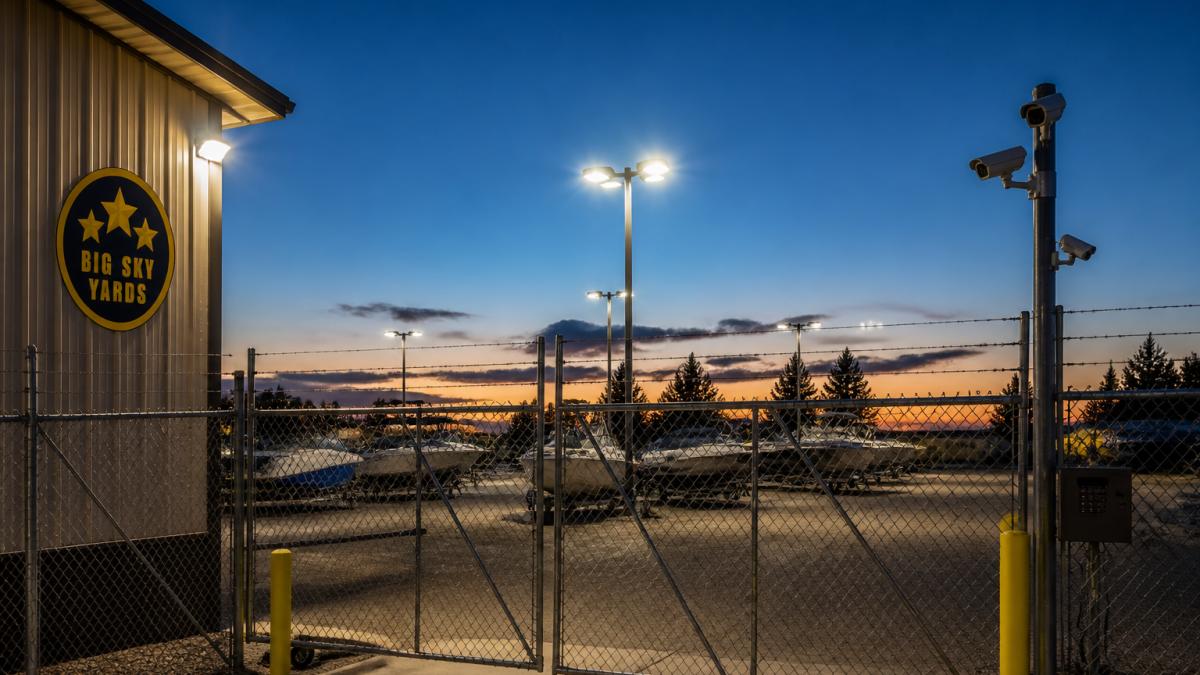
Gated Access and Surveillance Systems
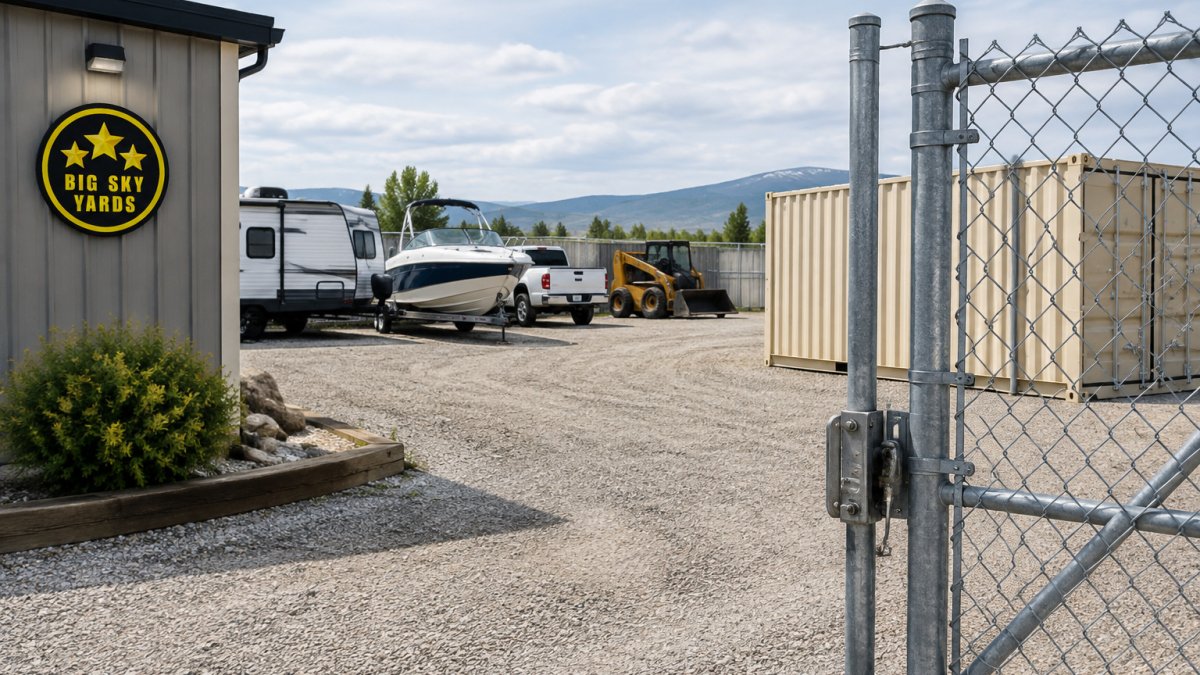
Gated access with locking mechanisms prevents casual trespassing and theft. Double-secured fenced yards provide two layers of protection, an outer perimeter gate and individual unit gates. This setup stops opportunistic thieves and requires deliberate effort to breach.
On-Site Management and Access Hours
On-site management means staff present during business hours to monitor activity and respond to issues. Facilities with professional management staff provide faster response times to security concerns and maintenance problems.
Finding Secure Storage Facilities Near You
Location and facility quality determine whether you'll be satisfied with your storage choice. Evaluating proximity and capacity helps you find the right fit for your needs.
Location Proximity and Highway Access
Proximity to major highways like I86 matters for convenience and access frequency. Facilities near major crossroads reduce your drive time when you need to retrieve your boat. A 10-minute drive is dramatically different from a 45-minute commute.
Evaluating Storage Capacity and Vessel Protection
Storage capacity determines whether the facility can accommodate your boat size and shape. Ask about maximum boat dimensions the facility accepts. Some facilities specialize in smaller recreational boats while others handle large cabin cruisers.
| Storage Type | Best For | Security Level | Access |
|---|---|---|---|
| Outdoor Uncovered | Budget-conscious seasonal users | Basic gated access | 24/7 typically available |
| Covered Storage | Moderate protection needs | Gated + cameras | Daytime hours usually |
| Dry Stack | High-value vessels, infrequent use | Maximum climate control | Staff-assisted retrieval |
| Marina Slip | Active boaters, frequent use | Gated access + patrols | Immediate water access |
Contract Terms and Insurance Requirements
Understanding your rental agreement and insurance obligations prevents surprises and protects your investment.
Short-Term Rentals vs. Long-Term Leases
Short-term rentals offer flexibility for seasonal storage or temporary needs. Monthly contracts let you store your boat for 4-5 months without year-round commitment. This suits boaters with clear seasonal usage patterns.
Understanding Coverage and Liability
Insurance requirements vary by facility and storage type. Most facilities require you to carry comprehensive boat insurance covering theft, weather damage, and liability. Verify what your homeowner's or boat insurance covers before signing.
Frequently Asked Questions
How much does boat parking cost?
Boat parking costs depend on storage type, boat size, location proximity, and facility amenities. Outdoor uncovered parking is typically the most affordable option, while covered storage and climate-controlled facilities cost more. Monthly rental rates vary based on whether you choose short-term rental flexibility or commit to a long-term lease. Contact your local storage facility for current pricing.
What should I look for in an affordable boat storage facility?
Prioritize gated access with security surveillance, onsite lighting, and on-site management during access hours. Verify the storage facility has adequate space for your boat dimensions and that monthly rental rates fit your budget. Check whether the facility offers both short-term and long-term lease options. Confirm the location proximity allows convenient access, especially if you need regular maintenance or seasonal preparation work done.
How do I prepare my boat for outdoor storage?
Start with winterization: drain water systems, add fuel stabilizer, and change the oil. Clean the hull thoroughly and apply protective wax. Remove or secure loose items and cover the boat with a quality cover to shield against weather. Check battery condition and consider disconnecting it. For seasonal storage, ensure all systems are properly shut down. Many boat owners hire professional services for winterization, while others handle basic maintenance themselves depending on their mechanical experience.
Is outdoor boat storage safe for my vessel?
Outdoor storage safety depends on the facility's security features. Look for gated access, security surveillance cameras, and well-lit grounds with onsite management. Double-secured fenced yards with locking gates provide vessel protection against theft and vandalism. While outdoor uncovered parking is more affordable, covered storage offers better protection from weather damage. Choose a facility that matches your security priorities and offers the vessel protection level your boat requires.