 How-to
How to Control Moisture in an ATV Shed
Last Updated: October 25, 2026
Quick Summary
ATV shed moisture control prevents rust and corrosion by managing condensation through proper ventilation, dehumidifiers, and protective coatings. Install vents on opposite sides of your shed to create natural airflow, use a dehumidifier to maintain 40-50% humidity, and apply rust inhibitor to exposed metal before storage.
- Install one vent per 150 square feet of shed floor space, with vents on opposite sides to create natural airflow.
- Maintain 40-50% relative humidity inside your shed using a hygrometer to monitor levels.
- Apply rust inhibitor and dielectric grease to exposed metal, frame welds, and electrical connections before storage.
- Use a 50-pint dehumidifier for roughly 1,000 square feet in humid climates.
- Inspect your stored ATV and shed conditions monthly to catch rust and ventilation problems early.
Table of Contents
- Why Moisture Control Matters for Your Stored ATV
- How to Prevent Rust on an ATV During Storage
- Shed Ventilation for Condensation: Installation and Best Practices
- Using a Shed Dehumidifier for Vehicle Storage
- ATV Winter Storage Tips for Long-Term Protection
- Cleaning and Preparing Your ATV Before Shed Storage
- Inspecting Your Stored ATV and Shed Conditions
- Securing Your ATV Storage at Big Sky Self Storage Yards
- Frequently Asked Questions
Why Moisture Control Matters for Your Stored ATV
Proper ATV shed moisture control is essential because moisture is your stored ATV's worst enemy. When an ATV sits idle in a shed without proper ventilation, condensation builds up on metal parts, electrical connections, and the engine, creating the perfect environment for rust and corrosion.
Temperature swings between day and night, combined with high humidity, accelerate rust formation. A bike stored in a damp shed can deteriorate faster over a few months than from years of active riding.
The good news: controlling moisture in your ATV shed is straightforward once you understand the mechanics.
Proper ATV shed moisture control protects:
- Metal frame and chassis from corrosion
- Engine cylinders and intake from internal rust
- Electrical connections from corroding
- Chrome and painted surfaces from pitting
- Moving parts like chains from seizing
Without moisture management, you're looking at expensive repairs or a bike that won't start when you're ready to ride again.
How to Prevent Rust on an ATV During Storage
Preventing rust starts before your ATV ever enters the shed.
Start with a thorough cleaning. Mud, dirt, and salt residue trap moisture against metal.
Once clean, dry everything completely. Use compressed air to blow water out of crevices, wipe down the frame, engine, and metal parts, and let the ATV air dry in sunlight if possible.
Next, apply protective coatings. A light coat of oil or rust inhibitor on exposed metal creates a barrier against corrosion. Focus on:
- Frame welds and joints
- Suspension components
- Engine exterior
- Bolts and fasteners
- Any bare metal
For cylinder walls and internal engine parts, consider fogging oil. This technique coats internal surfaces with a protective film that prevents rust from forming inside the engine during long storage periods.
Lubricate all moving parts before storage. Grease the chain, pivot points, and joints; fresh lubrication displaces moisture and prevents seizing during idle months, especially in winter.
For electrical connections, apply dielectric grease. This silicone-based product protects battery terminals and connector points from oxidation and corrosion. A thin layer goes a long way.
Finally, consider fuel stabilizer. Stale fuel can gum up carburetors and fuel injectors. Stabilizer keeps fuel fresh and prevents varnish buildup during extended storage.
Shed Ventilation for Condensation: Installation and Best Practices
Ventilation is the backbone of shed ventilation for condensation control. Moving air prevents moisture from settling on your ATV and metal parts.
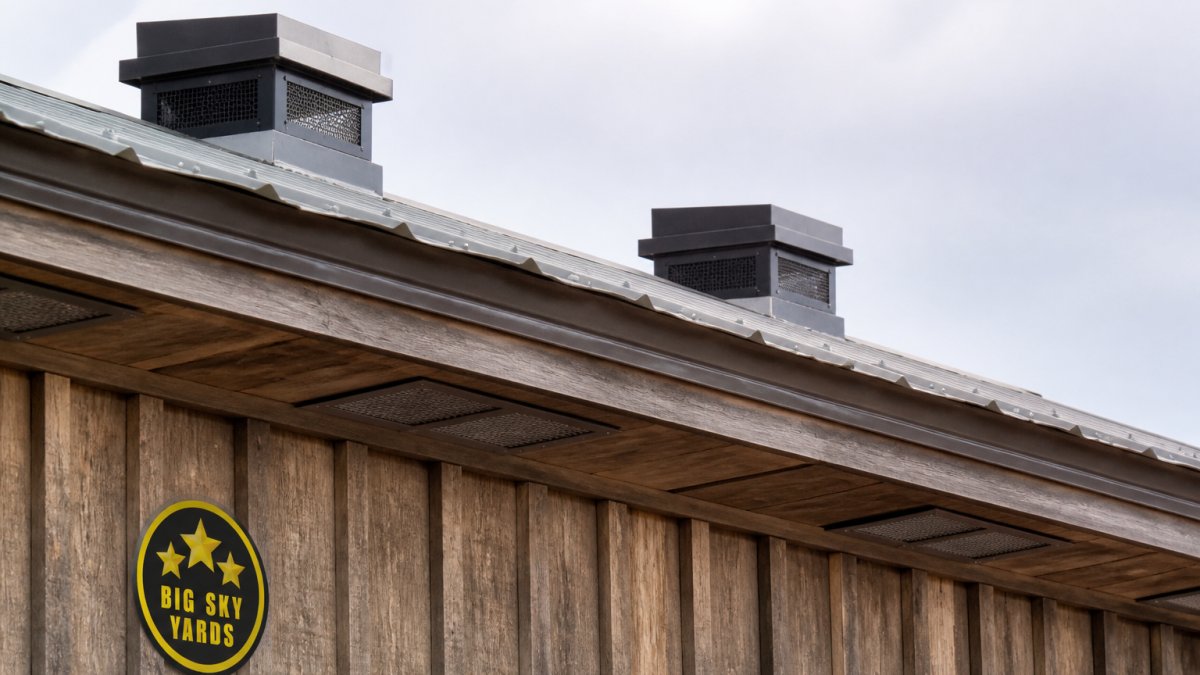
Start with passive ventilation. Install vents on opposite sides of your shed, one near the bottom, one near the top. This creates natural airflow.
For sheds without existing vents, roof vents are your best option: affordable and easy to install.
Soffit vents paired with a ridge vent work even better. Soffit vents run along the lower edge of the roof, ridge vents run along the peak.
Size your vents correctly. Vents that are too small look adequate but don't move enough air.
Keep vents clear. Leaves, dirt, and debris block airflow, so check vents monthly, especially in fall and spring.
Install vent covers to keep pests out. Rodents love shed spaces, and they'll nest near warm equipment. Covers with fine mesh prevent entry while maintaining airflow.
Consider adding a small fan if passive ventilation isn't enough.
Proper ventilation works best when combined with other moisture control methods.
Using a Shed Dehumidifier for Vehicle Storage
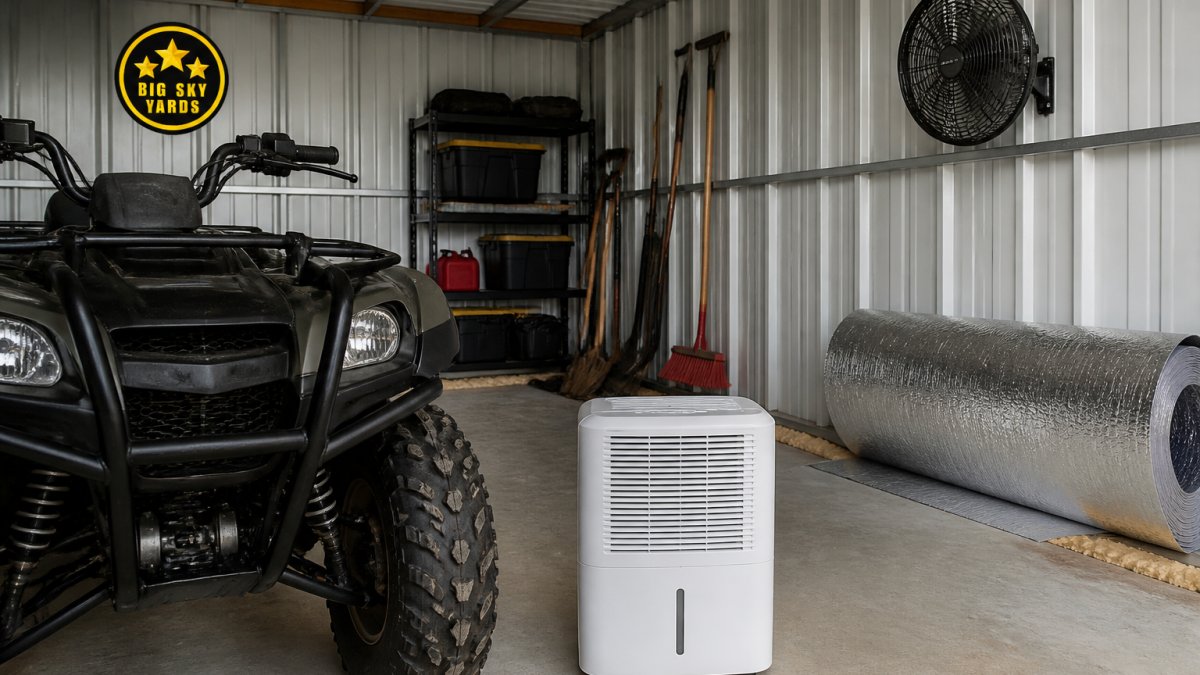
A dehumidifier is your active defense against high humidity. While ventilation handles airflow, a dehumidifier removes moisture directly from the air.
Dehumidifiers come in two types: refrigerant and desiccant. Refrigerant models (the most common) work like air conditioners, cooling air so moisture condenses and drains away. They're effective in warm, humid conditions but less efficient in cold spaces.
Desiccant dehumidifiers use absorbent material to pull moisture from air. They work better in cold garages and sheds where refrigerant models struggle.
For shed dehumidifier for vehicle storage, size matters. A small dehumidifier in a large shed won't keep up with humidity.
Placement is critical.
Drain options vary:
- Gravity drain into a bucket or floor drain
- Continuous drain through a hose to the outside
- Internal tank that needs emptying
For long-term storage, continuous drain is most practical. You don't want to empty a tank every day for months.
Monitor humidity levels with an inexpensive hygrometer (humidity meter). Aim for 40-50% relative humidity inside your shed. Above 60%, rust formation accelerates.
Run your dehumidifier continuously during high-humidity months; in winter, a few hours daily may suffice. Adjust based on your hygrometer readings.
Dehumidifiers use electricity, so budget for that cost. But the protection they provide, preventing thousands in rust damage, makes them worthwhile for valuable equipment.
ATV Winter Storage Tips for Long-Term Protection
Winter storage is where most ATVs suffer damage: cold temperatures, snow-melt moisture, and months of inactivity create a perfect storm for corrosion.
Start winter storage prep in fall, before temperatures drop. Your ATV should be clean, dried, and treated before the first freeze.
Raise the ATV on jack stands or blocks.
Disconnect the battery and store it separately in a warm location; cold drains charge, and a trickle charger keeps it in good condition over winter.
Fill the fuel tank completely. A full tank has less air space for condensation to form inside.
Change the oil before winter storage. Used oil contains acids and moisture that promote rust. Fresh oil provides better protection during dormant months.
Inflate tires to recommended pressure plus 5 PSI. This accounts for pressure loss over months of storage and helps prevent flat spots.
Cover your ATV with a breathable cover, not plastic. Plastic traps moisture underneath and accelerates corrosion.
Inspect your stored ATV every 30 days during winter: check tire pressure, look for condensation or rust, and verify ventilation.
For very long storage (more than 6 months), consider removing spark plugs and squirting a small amount of oil into each cylinder. This protects cylinder walls from rust during extended dormancy.
Cleaning and Preparing Your ATV Before Shed Storage
Preparation determines how well your ATV survives storage. A few hours of prep work now saves days of cleanup and repairs later.
Wash your ATV thoroughly with fresh water and mild soap, using a soft brush on the frame, engine, and undercarriage.
Rinse completely with clean water. Soap residue traps moisture, so thorough rinsing is essential.
Dry everything with compressed air and clean towels, starting with the engine and frame, then wheels and suspension. Trapped water will cause rust.
Inspect for damage before storage. Cracked plastic, loose bolts, or worn seals should be addressed now, not discovered when you're ready to ride.
Remove the battery if storing longer than a month. Store it in a warm, dry location away from metal objects.
Drain the carburetor if your ATV sits longer than 3 months. Stale fuel gums up jets and makes starting difficult in spring. Alternatively, use fuel stabilizer and run the engine briefly to circulate it.
For loose parts or accessories, store them indoors in a climate-controlled space. Plastic covers, seats, and removable panels deteriorate faster in sheds than in your home.
Consider taking photos of your ATV before storage to document its condition and help with reassembly or troubleshooting in spring.
Learn more about protecting individual parts with our guide on how to prevent rust on stored ATV parts, which covers material-specific protection methods and long-term preservation techniques.
Inspecting Your Stored ATV and Shed Conditions
Regular inspection prevents small problems from becoming expensive ones. Check your stored ATV and shed monthly.
Start with humidity. Use a hygrometer to measure relative humidity inside your shed. Record the reading.
Look for condensation on your ATV. Water droplets on the frame or engine indicate moisture is escaping your ventilation system.
Check the battery if it's still installed. A white or blue-green crusty buildup on terminals means corrosion is forming.
Inspect exposed metal for early rust signs. Rust starts as small orange spots that grow quickly.
Test tire pressure. Cold temperatures reduce pressure, and you want to catch slow leaks before spring. Inflate to recommended levels.
Verify ventilation is clear. Blocked vents are the most common reason humidity spikes in sheds.
Check the dehumidifier (if you have one).
Look for pest activity. Rodent droppings, chewed wires, or nesting material mean you have unwanted visitors.
Document everything. Photos of humidity readings, rust spots, and general condition create a record and help you spot trends.
Spring inspection is critical.
Securing Your ATV Storage at Big Sky Self Storage Yards
When home storage isn't practical, professional outdoor storage offers security and climate control you can't achieve in a backyard shed.
Big Sky Self Storage Yards provides double-secured fenced yards with locking gates, designed specifically for equipment like ATVs.
The facility's convenient location near major crossroads means easy access when you need your ATV.
For additional protection, optional 20' containers keep your ATV completely enclosed. This shields it from weather, UV exposure, and prying eyes.
Learn more about securing your ATV and other gear with our comprehensive guide on outdoor storage for ATV gear, which covers yard setup, equipment organization, and integrated security solutions.
Spacious 12' x 40' parking spots accommodate full-size ATVs with room to spare. You're not cramped into a tight space where doors or accessories get damaged.
While outdoor yards work well for most ATV owners, some prefer indoor or partially covered storage for high-value bikes or during extreme weather seasons.
Explore the benefits of gated storage yards as a secure alternative, which covers how professional facilities protect your equipment and provide services that home storage simply can't match.
Frequently Asked Questions
How do I reduce condensation inside an ATV shed?
Condensation forms when warm air meets cold surfaces. Install vents at the top and bottom of your shed to allow air circulation, use a dehumidifier to pull moisture from the air, and ensure your ATV is completely dry before storing it. On warmer days, crack open a door or vent to let fresh air circulate. Check humidity levels weekly, aim for below 50% relative humidity to prevent rust formation on metal parts and the frame.
Does a dehumidifier help control moisture in an ATV shed?
Yes. A dehumidifier actively removes moisture from the air, which is especially valuable in sheds with poor ventilation or in humid climates. For vehicle storage, a 50-pint dehumidifier works well for sheds up to 500 square feet. Place it centrally, away from walls, and empty the collection tank regularly or set it to drain continuously. Combine it with passive ventilation for best results, dehumidifiers work harder and cost more to run if your shed traps stagnant air.
What should I spray on my ATV engine to prevent corrosion?
Use fogging oil or a rust inhibitor spray designed for small engines. These products coat cylinder walls, intake valves, and internal metal surfaces to block moisture and oxygen. Apply fogging oil through the spark plug holes while the engine runs briefly, then seal it off. For external engine components, a silicone-based or wax-based corrosion protectant works well. Avoid standard WD-40 for long-term storage, it's a penetrant, not a protective coating, and will eventually evaporate, leaving metal exposed.
How often should I check my ATV shed for dampness or corrosion?
Inspect your shed and ATV monthly during storage season, or every 30 days in humid climates. Check for visible condensation on walls and the ATV frame, measure humidity with an inexpensive meter, and look for rust spots on exposed metal, the chain, and electrical connections. If humidity exceeds 60%, increase ventilation or run the dehumidifier longer. Before riding season, inspect the fuel system, battery terminals, and cylinder walls for any corrosion that formed despite preventive measures.
Moisture damage to stored ATVs is preventable. The combination of proper shed ventilation, dehumidification, thorough cleaning, and regular inspection keeps your quad protected through storage season. Whether you manage storage at home or trust a professional facility, the principles remain the same: control humidity, maintain airflow, and inspect regularly. Your ATV will start reliably and perform like new when you're ready to ride.