 blog
Rent Fenced Yard for Equipment: What to Know
Table of Contents
- What to Look for When You Rent Fenced Yard Space
- Outdoor Equipment Storage Rental Options
- Construction Equipment Storage Yard Requirements
- Equipment Storage with Shipping Container Solutions
- Outdoor Storage Yard Security Features You Need
- Zoning, Permits, and Allowed Uses
- Insurance, Liability, and Lease Terms
- How to Evaluate and Find the Right Fenced Yard
- Frequently Asked Questions
Last Updated: October 11, 2026
What to Look for When You Rent Fenced Yard Space
When you need to rent fenced yard for equipment, the right property makes all the difference between a secure, accessible storage solution and a costly mistake. Whether you're a contractor storing tools and materials, an RV owner needing long-term parking, or a small business requiring inventory space, evaluating potential yards requires more than a quick site visit. The decision impacts your daily workflow, your equipment's security, and your bottom line.
The key is knowing what features actually matter and which compromises will cause problems down the road.
Yard Size and Available Acreage
The first question is simple but critical: does the yard have enough space for what you need to store?
Many underestimate their footprint. Measure your equipment and materials, then add 30 percent for maneuvering and future growth.
Ask the facility what square footage is actually available for tenant use, as property lines, drainage swales, and easements reduce usable space. Request a site map showing your designated storage area.
You need a clearly marked yard section with defined boundaries that accommodates your largest vehicle or piece of machinery plus room to move around it.
Fenced or Gated Lot Security
A fenced yard isn't optional, it's the foundation of equipment security.
Verify the perimeter is fully enclosed by walking the entire fence line during your site visit. Look for damage, rust, or weak spots that create liability and invite theft.
The gate should lock securely and operate smoothly. Broken gates defeat the purpose of a fenced yard.
Confirm the facility provides 24/7 access or flexible entry windows if you need to retrieve equipment outside business hours.
Location and Service Area Access
A secure yard means nothing if it's inconvenient to reach.
Choose a location within 15-20 minutes of your primary work areas to minimize fuel and time costs.
Easy access to major routes reduces travel time and stress on your vehicles.
Choose a centrally located yard if you operate in multiple regions, or a yard in your primary work zone if concentrated.
Outdoor Equipment Storage Rental Options
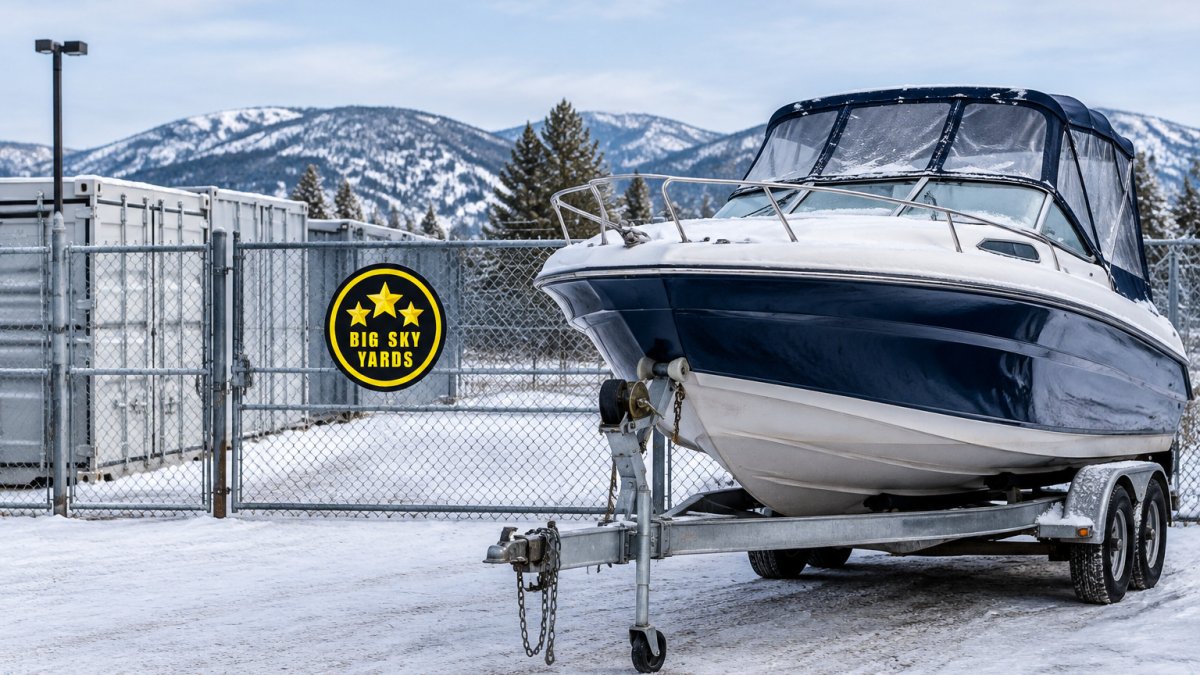
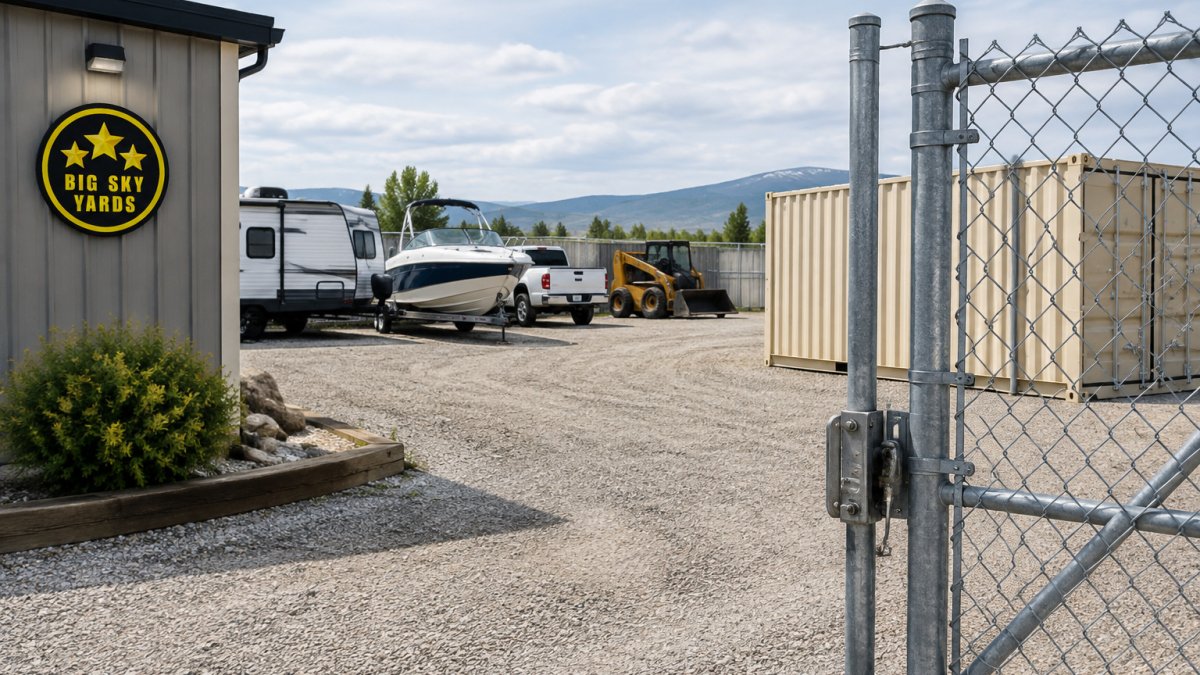
Open yard space is the most common and affordable option for seasonal storage and equipment that doesn't move frequently. Container-based storage offers more protection for tools and materials. Combination solutions pair yard space with containers for maximum capacity in one location.
Parking Space Dimensions for Vehicles and Trailers
Vehicle parking spots come in standard sizes, but your equipment might not be standard.
Know the exact dimensions of your largest vehicle or equipment. A typical 9' x 18' space works for pickup trucks but not for enclosed trailers, RVs, or heavy equipment.
XL parking spaces like 12' x 40' spots accommodate full-size RVs, enclosed trailers, and equipment with clearance on all sides.
Measure your vehicle from bumper to bumper and side to side, adding 12 inches of clearance on each side if possible. Confirm the facility can accommodate your exact dimensions before signing a lease.
Outdoor Storage for Tools and Materials
Tools and materials require different storage considerations than vehicles.
Open yard storage works for large equipment that doesn't need weather protection. For sensitive materials, a 20-foot shipping container provides weathertight protection from moisture and UV damage. Outdoor storage should include a concrete pad or gravel surface to keep materials accessible year-round.
Construction Equipment Storage Yard Requirements
Construction equipment has specific storage needs that differ from general equipment storage.
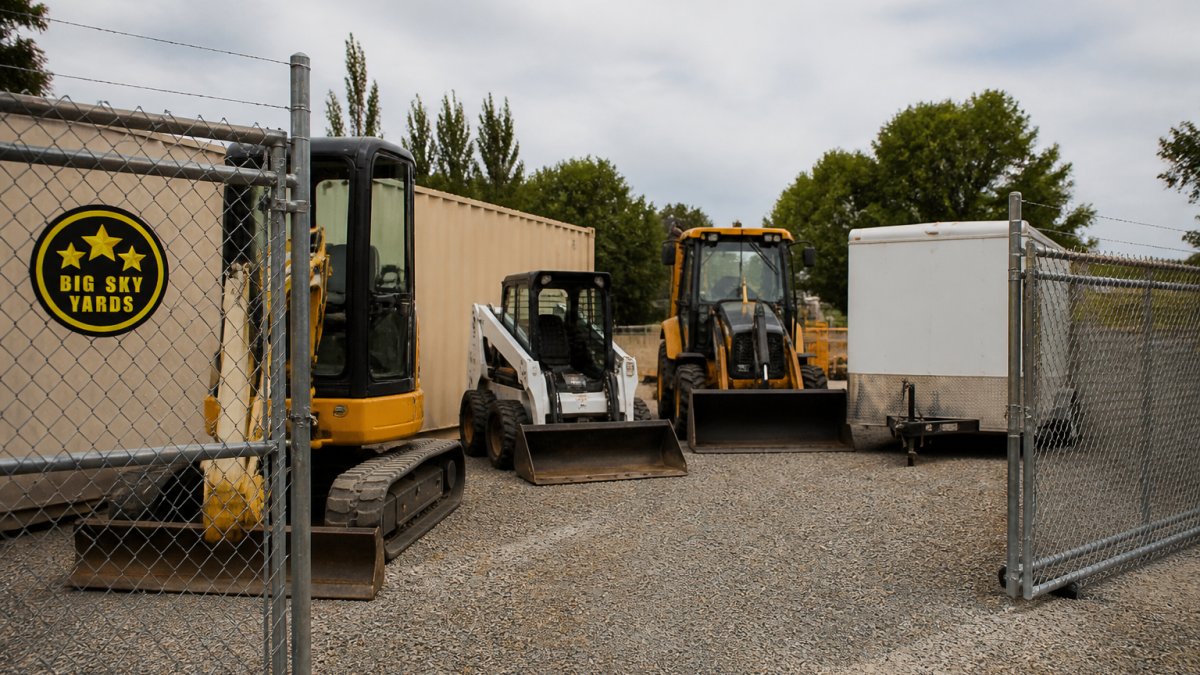
Confirm the yard has a compacted surface (gravel or asphalt) that can support your equipment without settling or sinking.
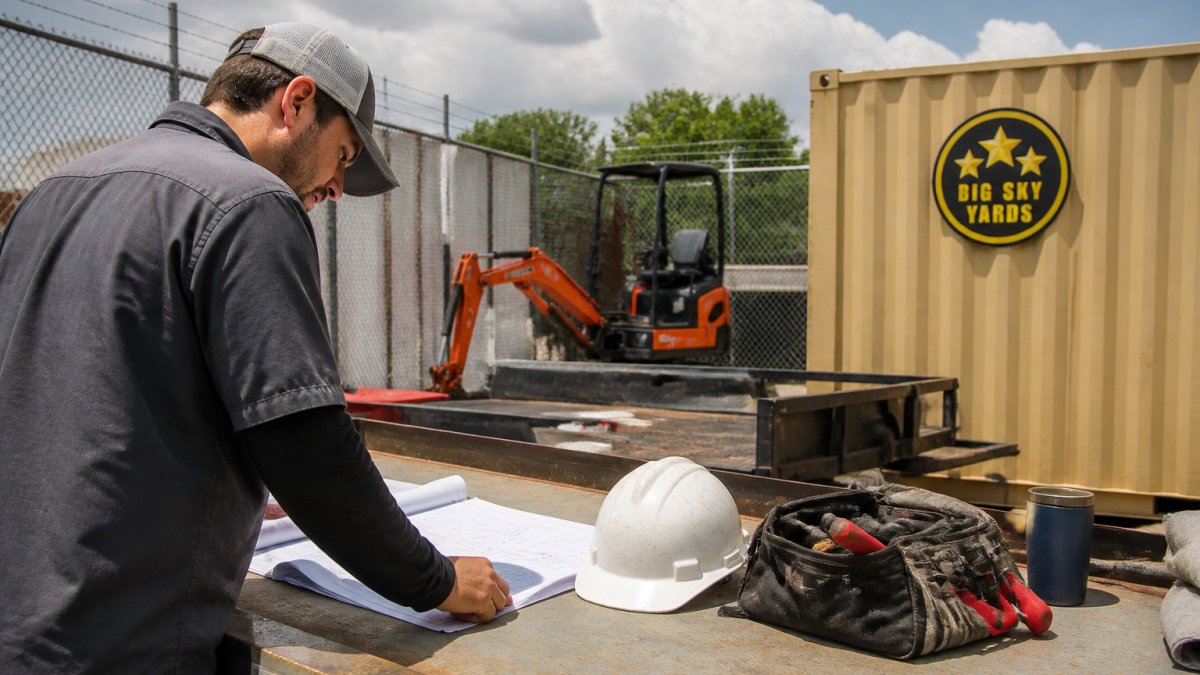
Confirm the yard allows you to service equipment on-site, as some facilities prohibit maintenance activities.
Ask about the facility's theft prevention measures, including cameras and lighting, and whether they've had security incidents.
Heavy Equipment and Vehicle Parking
Heavy equipment parking requires more than a marked spot.
Confirm the yard has proper base preparation and drainage to support your equipment's weight without settling or rutting.
You need room to maneuver, position equipment for loading, and drive out when needed. A tight spot creates stress every time you move it.
Parking spots should be marked and maintained to prevent disputes and equipment damage.
Turnaround Space and Site Access
Access roads and turnaround space separate functional yards from frustrating ones.
Confirm the facility has adequate road width (12 feet is better than 8 feet) and ask about road condition, as potholes and ruts damage vehicles.
Turnaround space at your designated spot lets you position equipment efficiently without backing up long distances.
Confirm gate and entrance design allows you to get equipment in and out without waiting or awkward maneuvering.
Equipment Storage with Shipping Container Solutions
A 20-foot container provides 160 square feet of secure, enclosed space that protects tools and materials from weather, UV damage, and theft. Containers are lockable and give you control over access. Big Sky Self Storage Yards includes optional 20-foot containers with specific yard spaces.
Outdoor Storage Yard Security Features You Need
Security separates a functional storage yard from one that protects your investment.
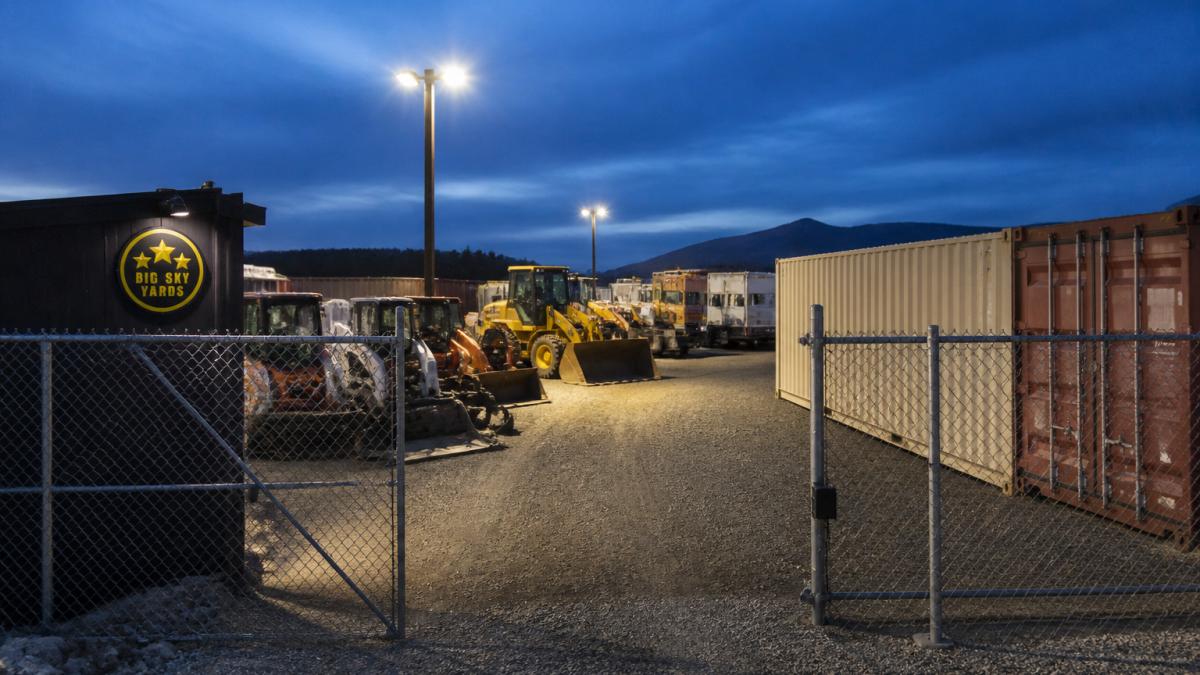
A perimeter fence and locking gate are basic security. Beyond these, layered security, lighting, cameras, and on-site monitoring, is more effective than any single measure.
Fencing, Gated Access, and Authorized Entry
A fenced yard is your first line of defense.
Walk the perimeter for gaps, rust, or damage. Confirm the gate is locked 24/7 with a sturdy mechanism. Ask about access control systems that log entry and create an audit trail. Confirm you have 24/7 access if you need it.
On-Site Lighting and Security Cameras
Lighting and cameras multiply the effectiveness of fencing and gates.
Ask about camera coverage of all yard areas and how long recordings are stored. On-site security or regular patrols add accountability and deter theft more effectively than cameras alone.
Zoning, Permits, and Allowed Uses
Before you rent fenced yard for equipment, confirm the property is zoned for your intended use.
Zoning restrictions determine what activities are permitted on the property. A yard zoned for storage allows equipment parking and material storage.
Ask the facility owner about zoning. Request a copy of the zoning designation and permitted uses. If you're unsure whether your equipment or business qualifies, contact your local zoning office to verify.
Some activities require permits. Long-term RV parking, boat storage, and commercial contractor equipment might need permits depending on local regulations.
Understand the difference between permitted and prohibited uses. A yard might allow storage but prohibit maintenance, repair, or manufacturing activities.
Insurance, Liability, and Lease Terms
Storage yards involve liability and insurance considerations that many renters overlook.
Understanding Your Coverage and Responsibilities
Your homeowners or business insurance might not cover equipment stored at a third-party facility. Confirm what's covered under your existing policy. You might need additional coverage for equipment stored off-site.
Ask the facility about their insurance and liability coverage. Does the facility's insurance cover tenant property, or are you responsible for your own coverage?
Request a copy of the facility's liability insurance certificate. Confirm they carry sufficient coverage. A facility with minimal insurance creates risk for you.
Understand the facility's liability limits. Most facilities limit their liability for tenant property. You might be responsible for damage or loss beyond a certain amount. Read the lease carefully to understand these limits.
Flexible Rental Periods and Early Cancellation
Flexible lease terms give you options if your storage needs change.
Month-to-month leases offer maximum flexibility. You can leave with 30 days' notice if your needs change. The trade-off is higher monthly rates compared to annual leases.
Annual leases lock in lower rates but commit you to 12 months of payments. If you cancel early, you might face penalties or lose your deposit.
Ask about seasonal storage options. This is valuable for boat owners, RV owners, and contractors with seasonal work patterns.
Understand the renewal process. Does your lease automatically renew, or do you need to sign a new agreement?
How to Evaluate and Find the Right Fenced Yard
Finding the right yard requires research, site visits, and careful comparison.
Checklist for Site Visits and Vetting
Create a checklist before visiting potential facilities. This keeps you focused and ensures you evaluate each yard against the same criteria.
Site Visit Checklist:
- Measure available space and confirm it fits your equipment
- Walk the fence perimeter and check for damage or gaps
- Test the gate lock and confirm it operates smoothly
- Inspect the ground surface for potholes, ruts, or soft spots
- Assess lighting coverage at dusk or night
- Identify camera locations and ask about coverage
- Measure road width and turnaround space
- Confirm 24/7 access if you need it
- Ask about theft history and security incidents
- Request references from current tenants
- Review the lease terms and cancellation policy
- Confirm zoning allows your intended use
- Ask about available container options
- Verify insurance requirements and coverage limits
Visit during different times of day. A yard that looks secure at noon might feel exposed at night. Visit once during business hours and once in the evening to assess lighting and activity.
Talk to current tenants if possible. Ask whether they feel their equipment is secure, whether access is convenient, and whether they'd recommend the facility. Honest feedback from users is more valuable than the facility's marketing claims.
Comparing Rental Rates and Hidden Costs
Rental rates vary widely based on location, amenities, and yard condition.
Request detailed pricing information from each facility. Ask what's included in the monthly rate and what costs extra.
Compare apples to apples. A facility charging more might include features a cheaper facility doesn't.
Ask about hidden costs. Setup fees, gate access fees, container fees, and insurance requirements add up quickly.
Calculate your total monthly cost including all fees and services. A facility that appears cheaper might cost more when you factor in everything.
Consider the value proposition. The cheapest yard isn't always the best choice.
Visit Big Sky Self Storage Yards' website to review current rates and available options.
Frequently Asked Questions
What size fenced yard do I need to rent for equipment storage?
The right size depends on what you're storing. Contractors typically need 10' x 20' to 12' x 40' spaces for trailers and vehicles. RV owners often require 12' x 40' parking spots for full-size units. Boat owners need similar dimensions. Start by measuring your largest piece of equipment and adding 2-3 feet on each side for maneuvering. Confirm turnaround space with the facility, you'll need room to back in and out safely.
How much does it cost to rent a fenced yard for equipment?
Rental rates vary by location, yard size, and included amenities like security cameras and lighting. Pricing depends on your specific space needs, lease length, and whether you add shipping containers. Visit Big Sky Self Storage Yards' pricing page for current rates and a quote tailored to your equipment and rental period.
Can I store a full-size enclosed trailer in a 12' x 40' parking spot?
Most standard enclosed trailers fit comfortably in a 12' x 40' space, but confirm exact trailer dimensions with the facility first. Gooseneck trailers and specialty equipment may need verification. Ask about turnaround clearance too, you need enough room to safely back in without hitting fencing or neighboring equipment. Big Sky Self Storage Yards can confirm fit for your specific trailer.
What security features should an outdoor storage yard have?
Look for double-secured fencing with locking gates, on-site security cameras, and adequate lighting. Authorized access control prevents unauthorized entry. Ask about monitoring frequency, whether cameras record 24/7, and incident response procedures. Check references from other contractors about actual security track records. A facility with gated entry, perimeter fencing, and visible cameras deters theft and protects your equipment investment.
Finding the right fenced yard for equipment storage requires balancing security, accessibility, and cost. The facility you choose affects your daily operations and your equipment's protection. Big Sky Self Storage Yards provides double-secured fenced yards with locking gates, optional 20-foot containers, spacious 12' x 40' parking spots for XL RVs, and onsite lighting and security cameras. Get started with Big Sky Self Storage Yards and secure a dedicated space for your equipment today.