 Ultimate guide
Outdoor RV Storage Parking Requirements 2026: Complete Guide
Table of Contents
- Outdoor RV Storage Parking Requirements 2026: What Changed
- Local RV Parking and Storage Ordinances: How to Read Your City Code
- RV Storage Facility Zoning Requirements: What Landowners and Renters Must Know
- Outdoor RV Storage Space Requirements: Dimensions, Screening, and Setbacks
- RV Storage Facility Permits: Conditional Use, Site Plan, and Inspections
- RV Parking Lot Layout: Measurement, Clearance, and Access Planning
- A 5-Step Checklist to Verify Rules at a Specific Address
- Frequently Asked Questions
Last Updated: October 17, 2026
Outdoor RV Storage Parking Requirements 2026: What Changed
Outdoor RV storage parking requirements in 2026 are set locally, not federally. Each city and county writes its own ordinance covering where an RV may sit, how long it may stay, and what screening it needs.
Rules depend on your address, lot zoning, and HOA. A driveway legal in one township can draw a citation two miles away.
This guide from Big Sky Self Storage Yards explains how to read those rules and verify requirements at any address.
Local RV Parking and Storage Ordinances: How to Read Your City Code
Start with the zoning district, not the vehicle. Find your parcel's zoning designation on the municipal GIS map, then open that district's code section.
Most ordinances have three parts: permitted uses, dimensional standards, and supplemental regulations. RV parking almost always lives in the supplemental section, under "recreational vehicle," "trailer," or "outdoor storage."
A common mistake is skipping the definitions. Owners assume a travel trailer counts as a car because it fits the driveway; the code usually says otherwise.
Residential Property, Driveways, and Front-Yard Rules
On a single-family lot, the driveway is usually the only legal parking surface. Most codes prohibit parking on grass, dirt, or unpaved front yards and require the vehicle behind the front setback or building line.
Front-yard RV storage is the most restricted category.
Watch condition clauses too. Codes often require the RV to be roadworthy and licensed and bar using it as a dwelling; a rig that cannot move under its own power loses its legal parking status.
Street Parking, Right-of-Way, and Time Limits
Street parking is governed separately. Right-of-way rules usually restrict RVs, boats, and trailers beyond a set time limit, and many cities prohibit overnight parking of oversized vehicles in residential zones.
Temporary loading allowances are the exception. Most codes permit a short period to load and prepare the RV, measured in hours, not days.
Sidewalk clearance matters too: a rig that overhangs a sidewalk or blocks a driveway apron can be cited even if street parking was allowed.
RV Storage Facility Zoning Requirements: What Landowners and Renters Must Know
Permitted use. The code lists outdoor RV storage as allowed by right. The operator still needs site plan approval and building permits, but no public hearing.
Conditional use (special exception or special use permit). Allowed only after the local board approves it with conditions, caps on spaces, screening height, hours, surface type, or parcel limits.
Accessory use. Outdoor RV storage is allowed only as a secondary use to a principal use, such as a self-storage facility, dealership, or marina.
How to Verify a Facility's Zoning Approval Before You Rent
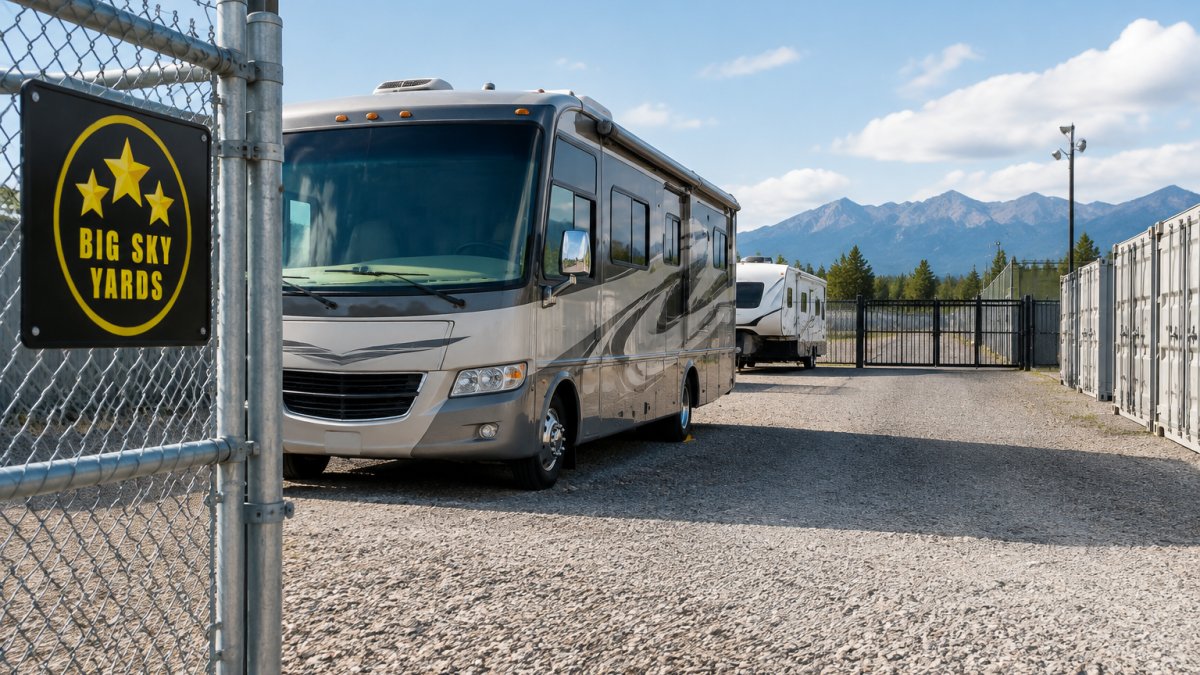
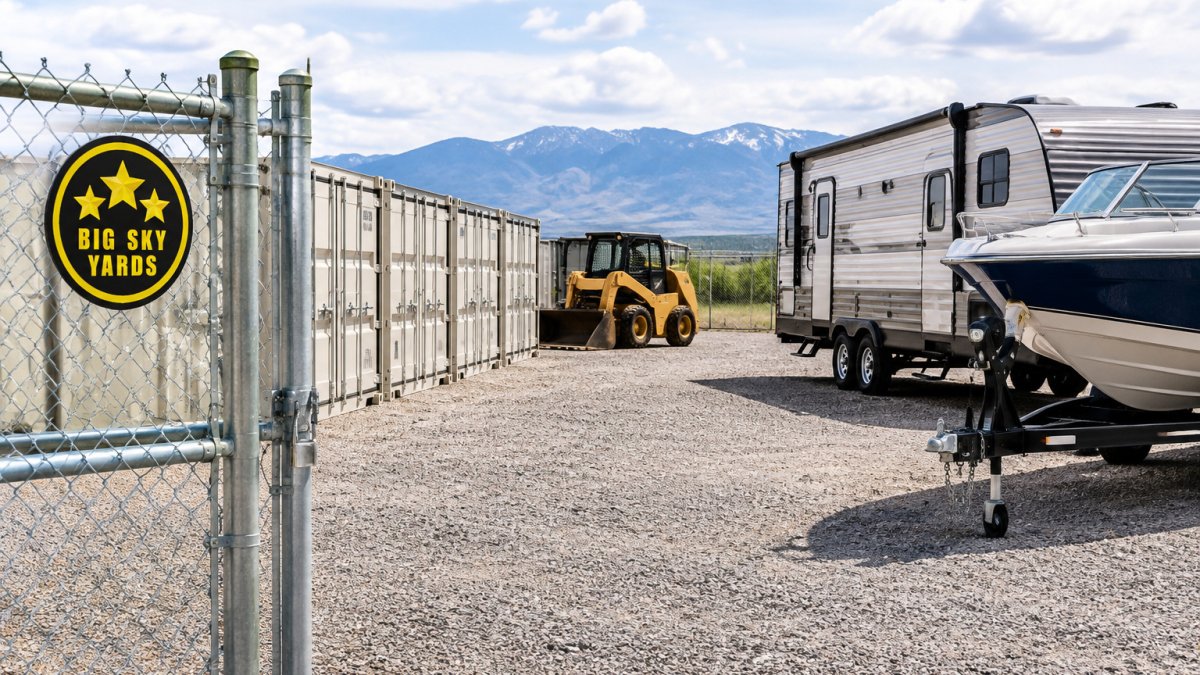
A well-run yard knows its approval conditions. Our storage areas sit behind double-secured fencing with locking gates, the site control most zoning approvals look for.
Use this sequence at any address:
- Pull the parcel's zoning designation from the municipal GIS or planning counter.
- Ask the planning department whether outdoor RV storage is permitted, conditional, or accessory in that district.
- If conditional, request the case number and the recorded conditions of approval.
Most planning departments answer these questions over the counter or by email, and many publish approved site plans online. A written response is the closest thing to certainty and is useful if a dispute arises later.
What Facility Operators Must Satisfy
Operators face a layered approval process: a conditional use hearing establishes the use, site plan review locks in layout, drainage, screening, and access, and inspections confirm what was built matches the plan.
Grading and stormwater matter more than operators expect: a lot that ponds water fails drainage review and shortens surface life. Fire access, drive-aisle width, and turning radius are also reviewed at site plan stage.
The Private-Side Overlay: HOA, Lease, and Deed Restrictions
Municipal zoning is only the public layer. A facility or homeowner may also be bound by private restrictions stricter than the code:
- HOA covenants can prohibit outdoor RV storage entirely, cap vehicle length, require screening from neighboring lots, or ban commercial storage on residential parcels.
- Leases at storage facilities can restrict vehicle condition, require proof of registration and insurance, limit access hours, and set notice periods for relocation if the site's approval changes.
- Deed restrictions and easements can bar storage on specific lots or within recorded setback areas even where zoning would allow it.
A common pattern: an owner confirms the city allows driveway storage, then discovers the HOA covenant prohibits it. The private restriction controls, enforced through the association or a civil action rather than code enforcement.
Outdoor RV Storage Space Requirements: Dimensions, Screening, and Setbacks
A standard outdoor RV storage space is sized around the largest rig the site expects to serve; 12 feet by 40 feet is a common footprint for full-size motorhomes and long travel trailers.
Screening, setback, and visibility requirements are where local codes diverge most. Many ordinances require opaque fencing or landscaping to block views from the street and adjacent homes, and setbacks often increase when the site abuts a residential district.
| Requirement | What It Typically Controls | What to Verify |
|---|---|---|
| Space dimensions | Width and length per stall | Fits your RV plus clearance |
| Screening | Fence or landscape height and opacity | Blocks view from street and neighbors |
| Setback | Distance from property line | Larger when abutting homes |
| Surface | Paved, gravel, or improved | Matches your rig's weight |
| Access | Drive aisle width and turning radius | Large enough for your tow setup |
RV Storage Facility Permits: Conditional Use, Site Plan, and Inspections
Facility permits usually arrive in three stages: conditional use or special exception approval, site plan review, and inspections before occupancy. The site plan locks in layout, drainage, screening, and access; changes after approval often require an amendment.
Inspections confirm that what was built matches the approved plan. Grading and stormwater matter more than operators expect, because a lot that ponds water fails drainage review and shortens surface life.
RV Parking Lot Layout: Measurement, Clearance, and Access Planning
Measure before you commit to a space. Pull the actual length of your RV including tongue, ladder, and rear overhang, then add clearance for the tow vehicle. A 12-foot by 40-foot space handles most full-size rigs, but a long fifth wheel with a crew-cab truck needs a generous drive aisle.
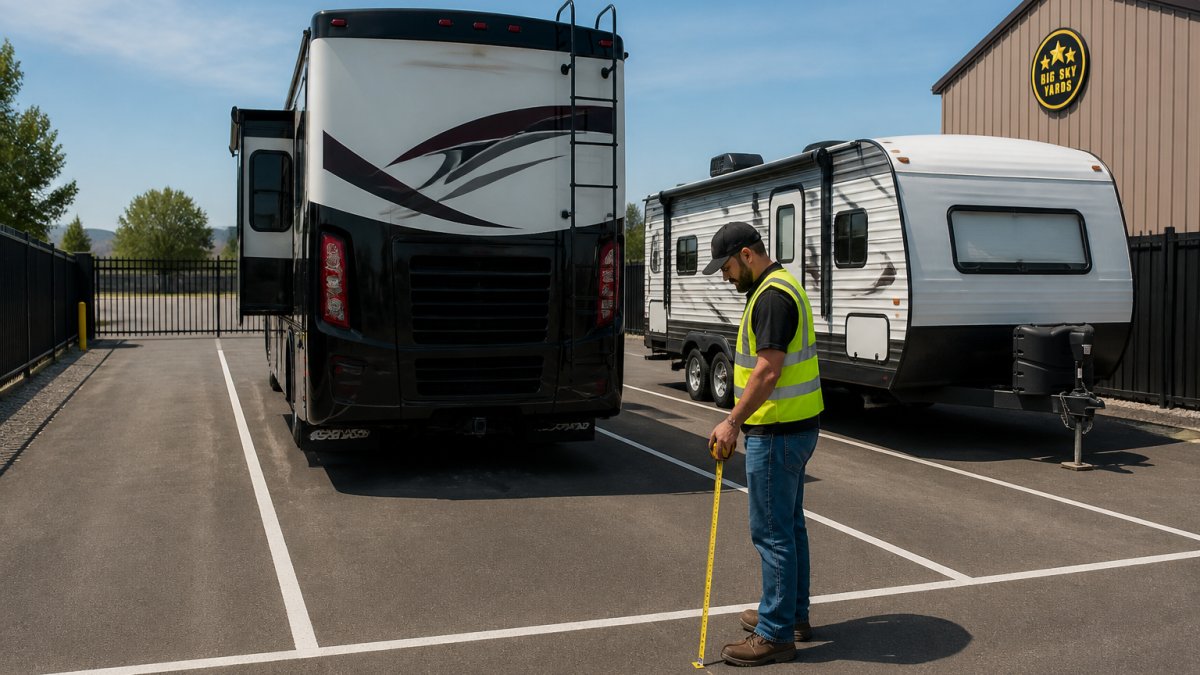
How to Measure Your Rig for a Storage Space
Use a tape measure, not the brochure length, brochures typically exclude the tongue, rear ladder, spare tire carrier, and added bumpers or bike racks. Measure three dimensions:
- Overall length, from the frontmost point (hitch coupler, bumper, or mirror) to the rearmost point (ladder, spare, or overhang).
- Overall width, including extended mirrors and any slide-outs in the deployed position. If you store with slides in, measure the closed width; if the site requires slides out for inspection, measure deployed.
- Overall height, from ground to the top of the air conditioner, antenna, or roof vent. Height matters for gate clearance and for any covered or canopy space.
Add working clearance: 2 to 3 feet per side to walk around, open compartment doors, and connect or disconnect a tow vehicle without scraping a neighbor. Add 3 to 5 feet at the front for the tow vehicle or tongue, and 2 to 3 feet at the rear for overhang and access.
A Clearance Table You Can Apply to Any Space
| Dimension | What to Measure | Typical Minimum Clearance |
|---|---|---|
| Space width | RV closed width plus mirrors | 2-3 ft per side |
| Space length | RV overall length plus tongue/overhang | 3-5 ft front, 2-3 ft rear |
| Drive aisle | Turning path for tow vehicle plus trailer | Wide enough to back in without a spotter |
| Gate opening | RV width plus mirrors | Several feet beyond the widest point |
| Height clearance | Roof plus AC unit | Confirm against gate or canopy |
| Surface | Paved, gravel, or improved | Matches rig weight and jacks |
These are practical working figures, not code requirements. Local ordinances and site plans set the actual dimensional standards, and a facility's approved site plan controls its layout.
Access Planning: Turning Radius, Gate Width, and Aisle Width
Access planning is the part owners underestimate. Turning radius, gate width, and aisle width determine whether you can back in without a spotter. A tight gate turns a five-minute drop-off into a twenty-minute ordeal.
A few mechanics to check on a site visit:
- Gate width. Walk the gate opening and compare it to your rig's widest point with mirrors. A gate that clears a travel trailer may not clear a Class A with extended mirrors.
- Aisle width. Watch another tenant maneuver. If a driver needs multiple pull-forward corrections to back into a space, the aisle is marginal for your rig.
- Turning path. Note whether the aisle dead-ends or loops. A dead-end aisle requires a reverse maneuver that many drivers cannot complete with a long trailer.
Site-Layout Checklist for Owners and Operators
- Confirm the space dimensions against your measured rig, not the brochure.
- Verify gate width and height against your widest and tallest points.
- Watch a tenant maneuver in the aisle before signing.
Layout also drives neighbor impacts. Storing rigs against a shared property line, blocking sightlines, or idling engines at the gate generate complaints, and complaints trigger enforcement. A tidy site with clear aisles is less likely to draw a code enforcement visit.
A 5-Step Checklist to Verify Rules at a Specific Address
Use this checklist before you park anything, on your own lot or at a facility.
- Pull the parcel's zoning designation from the municipal GIS or planning office
- Find the code section for that district and read the definitions of RV, boat, and trailer
- Confirm the permitted parking surface and whether front-yard storage is allowed
That last step matters. A written confirmation from the planning office is the closest thing to certainty and is useful if a neighbor files a complaint later.
Violations usually escalate: a warning, then a citation with a fine, then a requirement to remove the vehicle.
Frequently Asked Questions
Can you park an RV on the street when it is not in use?
Most cities restrict long-term RV parking on public streets. Typical rules limit continuous parking to 24-72 hours, ban parking within a set distance of intersections or fire hydrants, and prohibit using an RV as a dwelling. Some towns require a permit for any overnight street parking. Check your municipal code's parking chapter and the right-of-way rules before leaving an RV curbside; fines and towing can apply quickly.
What type of zoning is needed for RV storage?
RV storage facilities usually need a commercial, industrial, or heavy-commercial zoning district, not residential. Many cities treat outdoor RV storage as a conditional use, which means a public hearing and site-plan review. Some agricultural districts allow it with limits. Confirm the parcel's zoning designation first, then check whether outdoor storage is permitted by right or only with a conditional use permit.
Do outdoor RV storage facilities need permits?
Yes, in most jurisdictions. A new or expanded outdoor RV storage lot typically requires a conditional use permit or special exception, site-plan approval, building permits for any office or fence, and a stormwater or grading permit for paving. Some cities also require a business license and annual fire inspection. Permit timelines vary; a conditional use can take 60-120 days, so budget for that before signing a lease.
What should an outdoor RV storage facility provide?
Look for a fenced, gated lot with controlled access, on-site lighting, and camera coverage. Spaces should be at least 12 feet wide and 40 feet long to fit larger motorhomes and trailers, with adequate aisle width for backing in. Ask about surface condition, drainage, security patrols, and whether the lease is month-to-month or annual. Confirm the facility's zoning allows outdoor storage so you are not forced to move mid-season.
What access and space requirements should RV storage parking meet?
A usable outdoor RV space is typically 12 feet wide by 40 feet long, with 14 feet of vertical clearance for tall rigs. Drive aisles should be at least 25-30 feet wide to allow turning and backing. The site needs a clear entrance radius, fire-lane access, and drainage that keeps standing water away from tires and frames. If the lot has tight corners or unmarked spaces, measure before you commit.
How many RV storage spaces can fit on 5 acres?
A common planning estimate is 80-120 spaces per 5 acres when using 12-by-40-foot stalls with 25-30 foot aisles, plus room for drainage, fencing, and an office. Sites with tighter aisles or angled parking can push toward the higher end; generous fire lanes and screening lower it. Local lot-coverage and setback rules will ultimately set the ceiling, so confirm with the planning department.
Local RV rules reward the owner who checks first. Big Sky Self Storage Yards gives you a compliant alternative when your driveway or street will not work: 12' x 40' parking spaces built for XL RVs, double-secured fenced yards with locking gates, onsite lighting and security cameras, and quick access to I86. Get started with Big Sky Self Storage Yards and park your rig where the rules and the security both hold up.