 Comparison
Short Term Versus Long Term Storage: Which Fits Your Gear
Last Updated: November 17, 2026
Quick Summary
Short term versus long term storage comes down to how often you need to access your gear. Short-term storage is any rental typically under three months built around frequent access and flexible exit, while long-term storage means a commitment of several months or more built around protection, fixed space, and a lower monthly rate.
- Short-term storage is typically measured in weeks or months, usually under three months.
- Long-term storage generally means a commitment of several months or more, though the threshold is a convention.
- Compare total cost from move-in to move-out, including deposit, admin fee, and insurance.
- If you need an item more than once a month, lean toward short-term storage.
- Avoid signing a longer agreement than you need and read the cancellation clause first.
Table of Contents
- Short Term Versus Long Term Storage: The Core Difference
- What Is Considered Short-Term Storage
- How Long Is Considered Long-Term Storage
- Cost, Access, and Protection: Comparing the Two
- A Practical Decision Framework for Storage Duration
- Long-Term Storage Tips for Equipment and Vehicles
- RV and Boat Storage: Matching Duration to Season
- Reserve Your Yard Space at Big Sky Self Storage Yards
- Frequently Asked Questions
Short Term Versus Long Term Storage: The Core Difference
Short term versus long term storage comes down to one question: how often will you need to get to your gear? Short-term storage is built around frequent access and flexible exit. Long-term storage is built around protection, fixed space, and lower ongoing cost per month. For contractors, RV owners, and boat owners, the answer is rarely about price alone.
Here is the part most guides miss: the length of your rental matters less than the access pattern behind it. A four-month boat layup and a four-month equipment hold are not the same job.
What Is Considered Short-Term Storage
Short-term storage is any rental measured in weeks or months, typically under three months, where you expect to retrieve items regularly or exit on short notice. Flexible terms and a low commitment define it, not a specific calendar cutoff.
Common situations that call for temporary storage include a renovation, a move between homes, a seasonal decluttering push, or a contractor holding materials for a single job. In these cases, frequent access matters more than a rock-bottom monthly rate.
If you are still weighing formats, our breakdown of the best short-term storage options covers the practical choices side by side.
How Long Is Considered Long-Term Storage
Long-term storage generally means a commitment of several months or more. The threshold is a convention, not a rule, so confirm the exact terms with any facility before you sign.
Long-term arrangements suit vehicles and equipment that sit idle for a full season or longer. You trade some flexibility for a stable spot, predictable monthly billing, and space sized to the asset.
RV owners planning an annual park should review long term RV parking requirements before committing to a duration.
Cost, Access, and Protection: Comparing the Two
The real cost gap between short term versus long term storage is not the headline monthly rate. It is what each term bundles in, and what it quietly adds on top.
| Factor | Short-Term Storage | Long-Term Storage |
|---|---|---|
| Typical duration | Weeks to under 3 months | 3 months to 12+ months |
| Access frequency | Frequent, on demand | Infrequent, scheduled |
| Monthly rate | Higher per month | Lower per month |
| Commitment | Flexible, easy exit | Minimum term, notice required |
| Protection focus | Quick in-and-out | Preservation and weather cover |
| Best for | Renovations, moves, one job | RVs, boats, seasonal equipment |
Access frequency drives everything. A unit you visit twice a week needs wide gates and clear paths. A spot you visit twice a year should prioritize security and cover. For a closer look at real outdoor rates, see how much outdoor storage costs.
How the Total Cost Actually Stacks Up
Monthly rates are only part of the picture. Ask for the full cost from move-in to move-out. Common line items to check include:
- Minimum term. Ask whether the quoted rate applies to month-to-month rentals or only to longer commitments, and whether any minimum term applies.
- Deposit and admin fees. Ask whether a deposit or one-time administrative or setup fee applies, since these can be easy to overlook when comparing headline rates.
- Insurance or protection plan. Ask what liability coverage applies and whether renters must carry their own coverage or enroll in a plan.
- Access fees and hours. If you plan to visit weekly, confirm what access hours and any access-related charges apply.
- Discounts and prepay terms. Ask about any discounts or promotional rates and read the terms, since promotional rates may change over time.
A simple way to compare: multiply the monthly rate by the number of months you will actually pay for (not the number you plan to stay), then add deposit, admin fee, and insurance for that same period. The lower headline rate does not always win.
Access and Protection Trade-Offs
Access can be a cost driver. If you only need to reach your items a few times a season, a facility with scheduled access and tighter security may suit you better. If you are in and out weekly, convenient access is worth weighing against cost.
Protection follows the same logic. Fenced, lit, and camera-monitored space can reduce the risk of theft and damage compared with unsecured parking, and that protection can matter for vehicles and equipment.
Ask for the total you will pay over your expected stay, in writing, before you compare two facilities.
A Practical Decision Framework for Storage Duration
Run your situation through this checklist before you call anyone. The goal is to land on a duration and a facility type in about five minutes, not to agonize over contract language.
- Will I need this item more than once a month? If yes, lean short-term.
- Is the item exposed to weather where it sits now? If yes, prioritize covered or fenced space.
- Do I know the exact end date? A firm date favors short-term; an open-ended need favors long-term.
- Does the item hold real value? Valuable items justify secure, monitored space at either duration.
- What is my exit risk if plans change? Check notice periods and early-cancellation terms in writing.
A Step-by-Step Decision Path
Start with expected duration, then let access, item type, and budget adjust the answer.
- Estimate how long you will actually store the item. Count from move-in day to the day you expect to retrieve it, not the day you hope to. If the estimate is under three months, default to a short-term, month-to-month rental. If it is three months or more, price both a short-term and a long-term option, the long-term rate may not be cheaper once minimums and fees are included.
- Map your access pattern. Mark how often you expect to visit: weekly, monthly, or once a season. Weekly access points to a facility close to your routine with wide gates and long hours. Seasonal access points to a secure, covered spot where convenience matters less than protection.
- Classify the item. Vehicles and equipment tolerate outdoor, covered space if prepped correctly. Electronics, instruments, documents, and upholstered furniture need climate control or sealed containers. Sentimental and high-value items justify monitored, access-controlled space at either duration.
- Set a budget ceiling for the full stay. Multiply the monthly rate by the months you will pay, then add deposit, admin fee, and insurance. Compare that total, not the monthly rate, against your ceiling.
- Check the exit terms before you commit. Confirm the notice period, whether the rate changes after a promotional period, and what happens if you need to extend. A short-term rental that converts to a higher long-term rate at month four is not really flexible.
When the Answer Flips
A few situations override the duration math. If your plans are genuinely open-ended, favor flexible terms, since the cost of breaking a long-term contract can exceed the savings. If you are storing a high-value vehicle or a full household of furniture, favor protection and security over the cheapest rate at either duration. And if you are unsure, ask the facility whether you can start short-term and convert to a longer term later.
Watch out: avoid signing a longer agreement than you need. Read the cancellation clause before the commitment, not after.
Long-Term Storage Tips for Equipment and Vehicles
Protection is where long-term rentals earn their keep. Prepare by item type before anything rolls onto the lot.
- RVs: Empty tanks, disconnect the battery, and cover tires to limit sun damage.
- Boats: Flush the engine, lower the cover pitch so rain sheds, and store the trailer off bare dirt.
- Contractor equipment: Drain fuel from small engines, label containers, and keep a written inventory of what is stored where.
- Household items and furniture: Use protective materials, keep everything off the ground on pallets, and label boxes by room.
For boats specifically, our guide to long term boat storage options walks through the full preparation sequence.
RV and Boat Storage: Matching Duration to Season
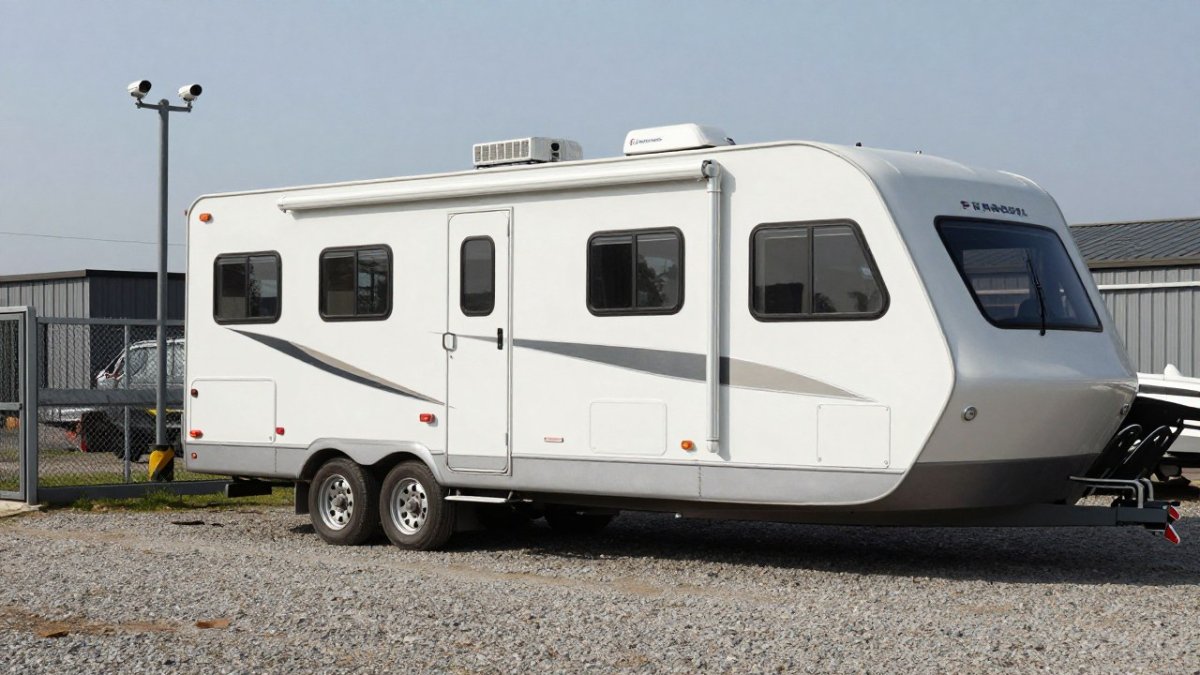
Seasonal storage is a common case for flexible terms. Many owners store a boat or RV for part of the year, which can sit between short and long term.
Match the duration to your actual calendar. If the boat comes out in spring and goes back in fall, ask whether a seasonal arrangement is available. If the RV sits year-round, a long-term spot with onsite lighting and cameras makes more sense.
The single biggest factor is access. A slip you visit monthly needs a facility close to your route home, not the cheapest lot two towns over.
Reserve Your Yard Space at Big Sky Self Storage Yards
The right duration is the one that matches how you actually use your gear, and that is the whole argument. Get the access pattern right and the contract terms follow.
Big Sky Self Storage Yards gives contractors and vehicle owners a secure place to store equipment and vehicles. Our double-secured fenced yards with locking gates protect equipment and materials, and optional 20-foot containers give professionals lockable space inside the yard. For large vehicles, our 12' x 40' parking spots suit XL RVs, and onsite lights and security cameras add to security. We are conveniently located near major crossroads and highways, with access to I86.
Get started with Big Sky Self Storage Yards and store your RV, boat, and equipment in one secure location.
The decision is simpler than the contract language makes it look. Match your access frequency to the term, read the exit clause, and prepare your gear before it rolls in. Big Sky Self Storage Yards offers double-secured fenced yards, optional 20-foot containers, and 12' x 40' RV parking with onsite lighting and cameras near I86. Get started with Big Sky Self Storage Yards and lock in a spot that fits how you actually use your equipment.
Frequently Asked Questions
What is considered short-term storage?
Short-term storage generally covers a few weeks up to about three months. It fits moves, renovations, decluttering projects, or a season of equipment use. Short-term storage usually means more frequent access, so you want a unit or yard spot close to home or the job site. At Big Sky Self Storage Yards, flexible monthly terms let contractors and RV owners keep gear for a few weeks without a long commitment. Check the pricing page for current monthly rates.
How long is considered long-term storage?
Long-term storage typically means more than three months, and often six months to a year or longer. RV and boat owners often fall into this group when a vehicle sits through the off-season. Long-term storage rewards you with lower monthly rates per square foot in many facilities, but read the contract first. Ask about the minimum rental period, notice required to cancel, and whether rates change at renewal before you sign.
Is long-term storage cheaper than short-term storage?
Often yes, per month, because facilities price longer commitments lower. But total storage cost depends on unit size, access frequency, and add-ons like containers. A short-term spot you visit weekly may cost more per month than a long-term yard space you rarely touch. Compare the monthly rate, any deposit, and insurance coverage side by side. Big Sky Self Storage Yards lists current pricing on its website so you can compare before committing.
How do you prepare items for long-term storage?
Clean and dry everything before it goes in, especially boats and RVs, to prevent mold and rust. Use protective materials like covers and pallets so items stay off the ground. Keep an inventory list of what you stored and where. For long-term storage tips, focus on security: for outdoor yards, look for fenced access with cameras. Big Sky Self Storage Yards offers double-secured fenced yards with locking gates and onsite cameras.